Idea & Strategy
10 Thoughtful Self-Care Ritual Gift Ideas to Nurture Mind & Body
Author:Mike Fakunle
|
Released:January 22, 2026
Daily stress is no longer an abstract idea. Surveys from the American Psychological Association show over 75 percent of adults report physical or emotional symptoms linked to stress [1]. That reality has changed how people shop for gifts, shifting attention toward items that support rest, focus, and recovery.
Thoughtful self-care ritual gifts work best when they fit into real life. The most meaningful wellness gift ideas are practical, calming, and easy to use, helping the recipient slow down without adding pressure or complexity.
1. Guided Journaling Sets for Mental Reset
A guided journal is one of the most flexible self-care ritual gifts available. Instead of blank pages, these journals include prompts that encourage reflection, gratitude, and emotional awareness. Many modern versions focus on five-minute entries, making them realistic for busy schedules.
As mindfulness gifts, guided journals help users track moods, identify stress triggers, and build self-awareness. Studies published by the National Institutes of Health show that expressive writing can reduce anxiety and improve emotional regulation [2]. This makes journaling a powerful mind body self-care tool that fits morning or evening routines.
2. Aromatherapy Kits with Essential Oils
Aromatherapy kits are popular relaxation gifts because they work quickly and require minimal effort. A well-curated set usually includes lavender for sleep, eucalyptus for breathing support, and citrus oils for focus. These scents can be used in diffusers, baths, or on linen sprays.
High-quality wellness gift ideas avoid synthetic fragrances and use plant-based oils with clear sourcing. Research shows that certain essential oils may help reduce perceived stress levels [3]. As self-care ritual gifts, they support emotional balance through simple sensory cues.
3. Weighted Blankets for Nervous System Support
Weighted blankets have moved from niche products to mainstream mind-body self-care tools. Most range from 5 to 10 percent of the user’s body weight, providing gentle pressure that mimics a calming hug. Many users report improved sleep quality within the first week.
These relaxation gifts are especially helpful for people dealing with anxiety or restless sleep. Deep pressure stimulation can help lower nighttime movement, improve the transition to sleep, and even reduce heart rate for some users. Modern blankets use breathable materials like bamboo or cotton and glass beads, making them comfortable year-round.
Combining a weighted blanket with a consistent bedtime routine amplifies its benefits. For those new to weighted blankets, starting at the lower end of the recommended weight range can prevent discomfort.
4. Herbal Tea Ritual Boxes
Herbal tea boxes turn an everyday habit into a grounding ritual. A thoughtful set may include chamomile, peppermint, ginger, or rooibos, paired with brewing instructions and tasting notes. This approach transforms tea drinking into intentional downtime.
These wellness gift ideas support hydration, relaxation, and gentle sensory engagement. Drinking tea at consistent times, like mid-afternoon or before bed, can act as a mini mindfulness pause.
Some kits include reusable infusers or small tea journals, allowing users to note which blends are most calming. The ritual of preparing tea - the steam, aroma, and warmth - reinforces a break from screens and multitasking.
5. Meditation Cushion and Timer Sets
Meditation does not require expensive equipment, but comfort matters. A supportive cushion helps maintain posture, reduces joint strain, and makes short sessions more approachable. Pairing a cushion with a simple meditation timer removes distractions from phones or apps.
These mindfulness gifts support consistency, which is often the biggest challenge for beginners. Even five minutes of daily practice can improve attention, reduce stress responses, and promote emotional regulation.
Cushions with washable covers or adjustable thickness enhance comfort, while timers with soft alarms encourage relaxed focus.
Creating a designated meditation corner in a room adds a physical cue that signals mental rest, helping the gift integrate naturally into daily life.
6. At-Home Spa Ritual Kits
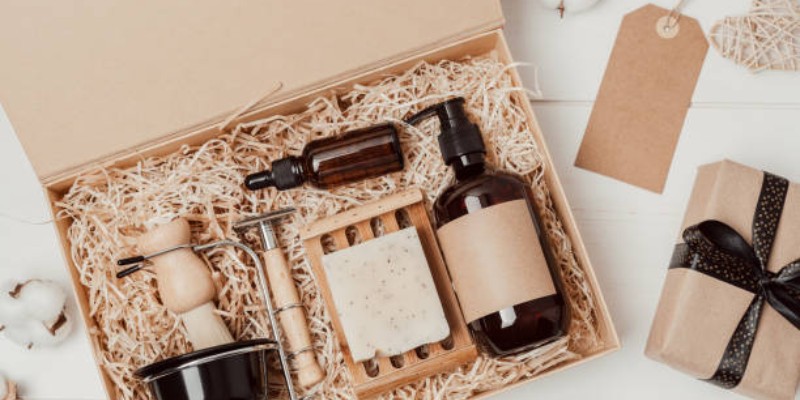
Spa ritual kits bring sensory care into the home without the cost of appointments. A strong kit may include a dry brush, mineral bath salts, a body oil, and clear instructions for sequencing each step. The value comes from the ritual, not just the products.
These relaxation gifts help users reconnect with their bodies through touch and temperature changes. Warm baths and gentle exfoliation can support circulation and muscle relaxation. As wellness gift ideas, spa kits encourage slowing down rather than multitasking.
7. Sleep Support Gift Bundles
Sleep-focused bundles are among the most practical self-care ritual gifts. They often include items like eye masks, magnesium lotion, herbal sleep teas, or low-light reading lamps. Each element targets a different part of the sleep process.
Poor sleep affects mood, immune function, and productivity. Data from sleep research organizations shows adults need seven to nine hours nightly, yet many fall short. These mindfulness gifts help create a consistent pre-bed routine that signals the body to rest.
8. Digital Detox Tools and Accessories
Constant notifications can disrupt focus and increase stress. Digital detox gifts include phone lockboxes, analog alarm clocks, or blue-light-blocking glasses. These items support healthier boundaries with technology and reduce cognitive overload.
Detox tools help improve focus and encourage better sleep hygiene. Users often report reduced eye strain and increased attention spans when screens are limited before bedtime.
Pairing these tools with a note or a mini challenge, like a one-hour evening screen-free window, can reinforce habits. These gifts work well for professionals, students, or anyone managing heavy digital workloads.
9. Creative Expression Kits
Creative kits encourage play without performance pressure. Examples include watercolor starter sets, adult coloring books, or clay sculpting tools. The goal is process, not results.
These relaxation gifts help quiet mental chatter, improve mood, and engage the brain in different ways. Research indicates that creative activities can reduce cortisol levels while promoting mindfulness.
Kits that provide small guides, color palettes, or prompts can further inspire experimentation. Using creative expression as a daily mini-ritual makes the gift more effective than sporadic use.
10. Personalized Self-Care Calendars
A personalized self-care calendar maps small rituals into daily life. It may include prompts like stretching, gratitude notes, hydration reminders, or screen-free evenings. Customization makes the gift feel intentional rather than generic.
These self-care ritual gifts help recipients build habits gradually. Consistency matters more than intensity in mind-body self-care. Calendars that allow space for personal notes or reflections can increase engagement and motivation. Including small stickers, checkboxes, or color-coded sections adds visual reinforcement and encourages tracking progress.
Calendars work especially well for people who appreciate structure and seeing their accomplishments over time.
Turning Everyday Moments into Meaningful Self-Care
Making self-care part of daily life does not require major lifestyle changes. Thoughtful gifts that encourage simple rituals can support emotional balance, better sleep, and mental clarity over time. Choose wellness gift ideas that match the recipient’s pace, preferences, and daily reality, then encourage them to use the gift regularly, not perfectly.
References
[1]American Psychological Association. Stress in America. Available at: https://www.apa.org/
[2]National Institutes of Health. Expressive Writing and Mental Health. Available at: https://www.nih.gov/
[3] National Center for Complementary and Integrative Health. Aromatherapy Overview. Available at: https://www.nccih.nih.gov/
You May Like

Idea & Strategy
The Smart Gift List: Unique Tech & Outdoor Finds for Your Husband

Idea & Strategy
Tried, Tested, and Gift-Worthy: The Best Men’s Pajamas, Robes, and Slippers

Idea & Strategy
Christmas Gifts for Mom That She'll Actually Use (Not Dust Collectors)

Budget & Urgency
Last-Minute Christmas Gifts: 10 Amazon Prime Options To Save The Day

Recipient & Occasion